
COMPLETED - FASD and the 4As: Awareness, Assessment, Action & Advocacy for OTs
This practical three-part workshop equips occupational therapists with the knowledge, skills, and confidence to support individuals living with Fetal Alcohol Spectrum Disorder (FASD) across the lifespan. Through lived experience perspectives, evidence-informed learning, and guided practice reflection, participants will develop FASD-informed assessment, intervention, and advocacy approaches that can be integrated into their OT practice.
Program Overview
Fetal Alcohol Spectrum Disorder (FASD) describes the lifelong impacts on the brain and body of individuals prenatally exposed to alcohol. FASD is a lifelong neurodevelopmental disability and is recognised as the leading preventable cause of neurodevelopmental disability in the developed world. It is estimated to be 2.5 times more common than autism, yet it remains frequently misunderstood, under-recognised, and misdiagnosed.
Occupational therapists across all areas of practice are key stakeholders in the identification, assessment, and ongoing support of individuals living with FASD. Developing an informed understanding of FASD enables OTs to better support participation, wellbeing, and meaningful life outcomes for individuals, families, and communities.
FASD can impact up to ten developmental domains, including motor skills, physical health, learning and cognition, attention and executive functioning, emotional regulation, communication and social participation.
This practical, evidence-informed workshop introduces the FASD Awareness, Assessment, Action and Advocacy Model, providing occupational therapists with practical strategies that they can apply in their practice.
Workshop Overview
Part 1: Foundations of FASD - Awareness | Assessment
Participants will explore:
-
The lived experience of individuals and families impacted by FASD
-
Key features, prevalence, and epidemiology of FASD
-
Australian diagnostic guidelines
-
The role of occupational therapists in identification and assessment
-
How assessment can reduce barriers to participation across home, school, health, and community environments
Individuals with lived experience and presenters will introduce foundational knowledge to support occupational therapists in recognising FASD and understanding its lifelong impacts across developmental domains.
Part 2: FASD in Practice – Action | Advocacy
Building on foundational knowledge, Day 2 focuses on translating learning into practice.
Participants will explore:
-
Developing FASD-informed interventions
-
Supporting individuals, families, and communities
-
Understanding secondary impacts when supports are not implemented early
-
Partnering with people with lived experience
-
Navigating health and education systems
-
Advocacy strategies to improve outcomes for those living with FASD
Individuals with lived experience will share personal perspectives, helping participants deepen understanding and strengthen person-centred practice.
Part 3: The 4As in Practice
Delivered approximately one month following day 2, this two-hour interactive session focuses on consolidating learning and supporting implementation of the 4As framework within occupational therapy practice.
Participants will explore:
-
Reflecting on key learnings from Days 1 and 2
-
Sharing experiences of applying FASD-informed practice in real-world settings
-
Identifying successes, challenges, and barriers encountered in practice
-
Troubleshooting implementation challenges with presenter guidance
-
Exploring complex and emerging clinical cases
-
Strengthening confidence in applying Awareness, Assessment, Action and Advocacy in everyday practice
This collaborative session provides an opportunity for peer learning, reflective discussion, and problem-solving to support sustainable integration of FASD-informed approaches across diverse practice contexts.
Key learning outcomes, by attending this workshop you will be able to:
-
Explain the risks and lifelong impacts of alcohol exposure during pregnancy
-
Identify the diagnostic criteria for FASD
-
Demonstrate sensitive and respectful approaches when discussing prenatal alcohol exposure
-
Recognise common features of FASD across the lifespan
-
Apply health promotion strategies to increase FASD awareness within communities of practice
-
Develop knowledge and skills of OT intervention approaches suitable for those living with FASD
-
Partner effectively with families and carers to promote positive outcomes
Why Attend?
-
Gain practical skills you can apply immediately in various settings
-
Increase confidence in identifying and supporting clients with possible FASD
-
Learn directly from individuals with lived experience
-
Strengthen assessment and diagnostic contribution as an OT
-
Build intervention strategies across the lifespan
-
Enhance collaboration with families, carers, educators, and health professionals
-
Improve participation outcomes for clients with complex neurodevelopmental needs
-
Develop advocacy skills to promote FASD-informed practice within your workplace
-
Stay current with Australian diagnostic guidelines and best practice approaches
-
Expand your knowledge and skills for supporting neurodivergent individuals
Who Should Attend?
-
Occupational therapists across all career stages, keen to build their skills, knowledge and confidence in FASD
-
Occupational therapists working in various practice areas including paediatrics, disability, mental health, community, justice, or adult services
WORKSHOP DETAILS:
This is a 3-part interactive online workshop.
DATE:
Part 1: Friday 24th July 2026 (all day)
Part 2: Friday 31st July 2026 (all day)
Part 3: Friday 28th August 2026 (2 hours)
TIME:
Friday 24th July & Friday 31st July 2026
9:00am – 3:00pm | ACT, VIC, TAS, NSW, QLD |
8:30am – 2:30pm | SA, NT |
7:00am – 1:00pm | WA |
Friday 28th August 2026
10:00am – 12 noon | ACT, VIC, TAS, NSW, QLD |
9:30am – 11:30am | SA, NT |
8:00am – 10:00am | WA |
Please log on 15 minutes prior to start time each day.
VENUE
Online via Zoom. Login details will be sent to registered participants prior to the workshop.
ACCESS:
This is an interactive workshop and will not be recorded.
Participants will be able to access the workshop resources online in their OTA account for the duration of the event and for a further 12 weeks after the event.
CPD HOURS:
Total CPD claimable workshop hours: 13 hours
A certificate of attendance will be issued upon completion of the full course. Please allow up to 48 hours for the certificate to appear in your CPD tracker.
REGISTRATION FEES
EARLYBIRD – Register on or before 28 June 2026
OTA Member: $710
New Graduate Member: $640
Non-member: $920
STANDARD – Register on or after 29 June 2026
OTA Member: $780
New Graduate Member: $700
Non-member: $1,020
(All pricing is inclusive of GST)
RSVPS close 20th July 2026, 11:55pm AEST
Members must be logged in with username and password in order to register at the member rate.
Not already an OTA member? Sign up today here to enjoy great savings on CPD courses, events, conferences and unlimited access to local and international research publications, special offers from our partners and more!
DISCLAIMER
All information is correct at the time of publication. OTA reserves the right to alter or delete items from the CPD calendar as required, and takes no responsibility for any errors, omissions, and changes.
All resources including copies of the presentation, along with all supporting documents and links are not for distribution and are the property of the presenter.
An OTA staff member or representative may be photographing this event for use in OTA publications and/or on OTA social media sites. If you do not wish to be photographed, or have your image published please make this known to the OTA representative at your course or contact OTA on 1300 682 878 or info@otaus.com.au
TERMS AND CONDITIONS
Terms and Conditions including OTA’s refund and cancellation policy are available here
CONTACT US
Please email info@otaus.com.au or phone 1300 682 878
Presented By
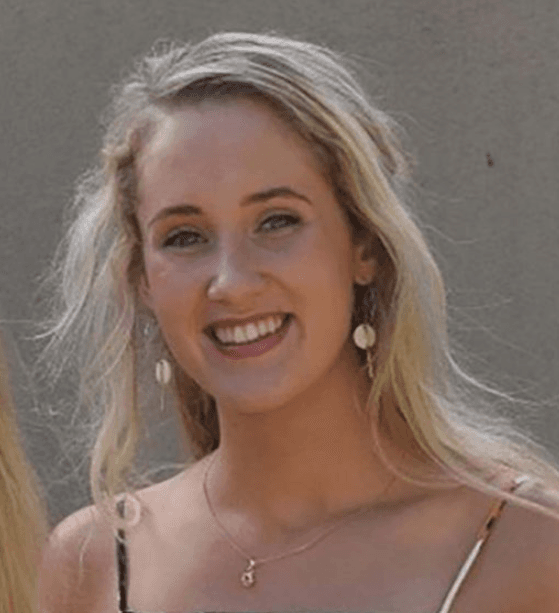
Sinead Freeman
Sinead is an occupational therapist with a diverse experience across the forensic, mental health and education sectors . Currently working with Queensland Government, Sinead supports young people within the justice system to access disability and mental health supports. Having previously worked as the Clinical Coordinator for the National Organisation for Fetal Alcohol Spectrum Disorders, Sinead worked closely with those with living experience of FASD and their families. She is passionate about raising awareness of FASD and is committed to educating occupational therapists on the vital role they have in the four A’s.
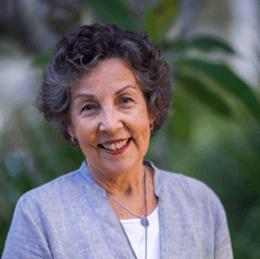
Christine Brooks
Christine is the Vice-Chair of NOFASD Australia and a caregiver to a young adult living with Fetal Alcohol Spectrum Disorder (FASD). She has supported a number of young people navigating the challenges of this hidden disorder. Her lived experience with FASD has fuelled her passion for advocating for the well-being of young people in the education system. After extensive years as a Primary School Educator both in Melbourne and a remote NT community, Christine is now dedicated to educating educators about Fetal Alcohol Spectrum Disorder.
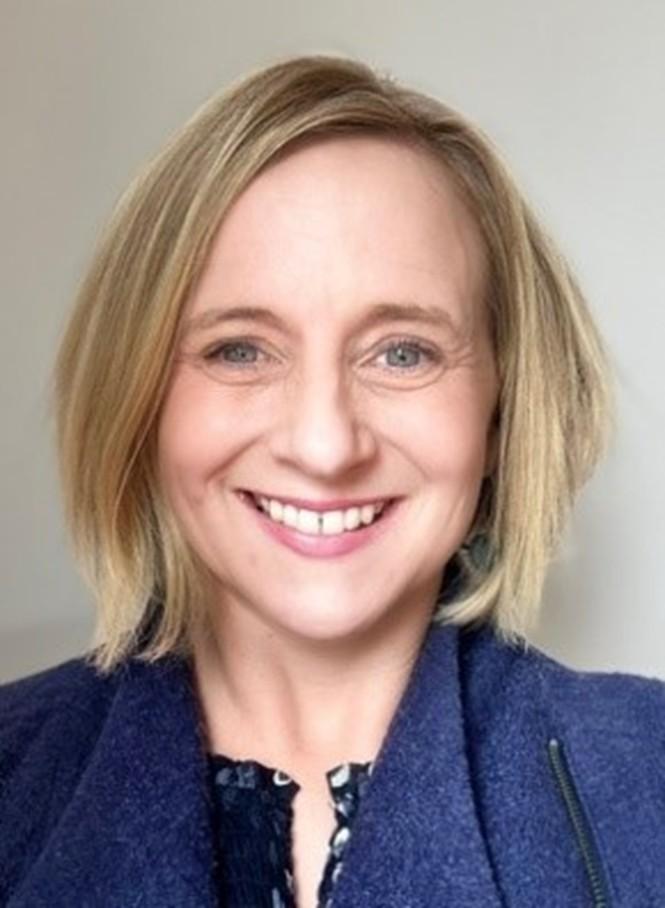
Rebecca Ball
Rebecca Ball is a special education teacher and occupational therapist with a diverse and extensive career around Australia. Rebecca is a passionate advocate for building neuro-affirming environments working collaboratively to ensure inclusive practices are embedded to support children and their families. Rebecca works with the Department of Education Victoria, in private consulting as the Director of HopscotchED and is a Partner at BrainyCo.