
Pathological Demand Avoidance: Rethinking Demands - A Neuroaffirming Approach for OTs
Explore the complex profile of Pathological Demand Avoidance (PDA) through a neuroaffirming occupational therapy lens. Gain insight into the lived experience of PDA in this practical and reflective 3- part workshop and learn how to adapt your practice to reduce anxiety and develop effective partnerships with PDA children and their caregivers.
Program Overview
******* This session has sold out. If you would like to be added to the waitlist and be notified when the workshop is next scheduled, please send an email to info@otaus.com.au.******
Pathological Demand Avoidance (PDA) is a complex and often misunderstood profile that can present significant challenges for occupational therapists and families alike. This 3-part workshop offers a comprehensive, neuroaffirming introduction to PDA, unpacking the role of anxiety, extreme demand avoidance and the dynamic relationship between autonomy, engagement, and trust. Participants will explore how PDA can present and how it differs from other behavioural profiles.
Through a blend of evidence-informed insights, lived experience, and real-world practice examples, this training will equip OTs with the tools to better support children with a PDA profile. Practical strategies will focus on reducing perceived demands, using declarative language, prioritising true choice, and supporting sensory and emotional regulation. The training will a range of tools and ready-to-use resources to guide your work with families and educators.
The session includes a strong focus on supporting parents and caregivers through mindset shifts and coaching techniques. Presenter Heidi Brandis brings a personal and professional lens to this training - bridging lived experience with clinical application to create a workshop that is both informative and impactful. The workshop will be complemented with a comprehensive electronic workbook provided to all participants.
What you will learn, by attending this workshop (key learning objectives):
-
Define and describe PDA and its key characteristics, particularly in the absence of formal diagnostic recognition.
-
Differentiate PDA from other presentations of demand avoidance, including those associated with autism and ADHD.
-
Identify common challenges faced by Occupational Therapists when engaging children with PDA in therapy.
-
Learn evidence-informed, PDA-friendly strategies that can be applied in classrooms, therapy settings, and at home to support engagement and participation
-
Develop practical skills in declarative language, co-regulation, body language, prioritising and reducing demands, processing time, humour and authentic choice.
-
Implement practical approaches for supporting sensory and emotional regulation in children with PDA.
-
Understand when, where, and how to adapt your approach to better support a child's individual needs and fluctuating capacity.
-
Explore and apply neuroaffirming principles in occupational therapy practice when working with children with PDA.
-
Recognise the emotional and practical impact of PDA on families and reflect on the OT’s role in holistic support.
-
Reflect on and adapt clinical practice to better meet the needs of children with PDA and their families.
Workshop Structure & Session Outline
This 3- part workshop includes a mix of presentations, interactive content, small group activities (via break out rooms), case study discussions and Q&A.
Part 1: Tuesday 1st September 2026, 1:00pm – 4:00pm AEST
PDA 101: This session will provide foundational knowledge and training on PDA. This session will be recorded for participant use only to support workshop accessibility, however live attendance is encouraged.
Part 2: Monday 7th September 2026, 10:00am – 6:00pm AEST
Practical Strategies for OTs to Approach and Support PDAers: Interactive online session featuring paired and small-group activities, with in-depth experiential learning through demonstrations, role plays, lived-experience examples, and practical resources to build skills and apply strategies with confidence. This session will not be recorded.
Part 3: Tuesday 29th September 2026, 1:00pm – 4:00pm AEST
Case Studies and Q&A: This interactive online Q&A session will feature responses to pre-submitted questions and case study discussions providing practical insights, support and engagement. This session will not be recorded.
WHO SHOULD ATTEND:
OTs at any career stage interested in increasing their understanding of PDA and best practice for OTs supporting children with PDA and their families.
TIMES:
Part 1: Tuesday 1st September 2026
1:00pm – 4:00pm | ACT, VIC, TAS, NSW, QLD |
12:30pm - 3:30pm | SA, NT |
11:00am – 2:00pm | WA |
Part 2: Monday 7th September 2026
10:00am – 6:00pm | ACT, VIC, TAS, NSW, QLD |
9:30am - 5:30pm | SA, NT |
8:00am – 4:00pm | WA |
Part 3: Tuesday 29th September 2026
1:00pm – 4:00pm | ACT, VIC, TAS, NSW, QLD |
12:30pm - 3:30pm | SA, NT |
11:00am – 2:00pm | WA |
Please log on 10 minutes prior to start time each day.
VENUE:
Online via Zoom. Login details will be sent to registered participants the 1-2 days prior to the workshop.
ACCESS:
This is a 3-part interactive workshop. Part 1 on 1st September will be recorded for participant use only. Part 2 and Part 3 will not be recorded.
Participants will be able to access the workshop resources online in their OTA account for the duration of the event and for a further 12 weeks after the event.
CPD HOURS:
Total CPD claimable workshop hours: 14 hours
A certificate of attendance will be issued upon completion of the full course. Please allow up to 48 hours for the certificate to appear in your CPD tracker.
REGISTRATION FEES
EARLYBIRD – Register on or before 16 July 2026
OTA Member: $760
New Graduate Member: $690
Non-member: $985
STANDARD – Register on or after 17 July 2026
OTA Member: $840
New Graduate Member: $760
Non-member: $1,090
Members must be logged in with username and password to register at the member rate.
Not a member, you can join here and enjoy many benefits.
RSVPS close at 11:55pm AEST on 27th August 2026.
Note: All pricing is inclusive of GST
DISCLAIMER
All information is correct at the time of publication. OTA reserves the right to alter or delete items from the CPD calendar as required, and takes no responsibility for any errors, omissions, and changes.
All resources including copies of the presentation, along with all supporting documents and links are not for distribution and are the property of the presenter.
An OTA staff member or representative may be photographing this event for use in OTA publications and/or on OTA social media sites. If you do not wish to be photographed, or have your image published please make this known to the OTA representative at your course or contact OTA on 1300 682 878 or info@otaus.com.au
TERMS AND CONDITIONS
Terms and Conditions including OTA’s refund and cancellation policy are available here
CONTACT US
Please email info@otaus.com.au or phone 1300 682 878
Presented By
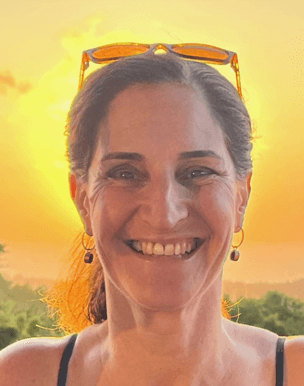
Heidi Brandis
Heidi is a former occupational therapist with over 20 years of clinical experience, and a dedicated parent of a young adult with a PDA profile. For the past 15 years, she has worked full-time in a voluntary capacity, providing education, advocacy, and support to families, educators, and professionals navigating the complexities of autism and PDA. She is the creator of the WA Autism Parent Handbook, a widely respected, unbiased resource distributed to over 75,000 families and professionals, and the founder of several large support communities including the PDA Perth WA Parent Community & Support Group. Her work has been instrumental in raising awareness and driving national recognition of PDA, culminating in her role as Convenor of the Inaugural PDA Conference Australia in 2025. Heidi regularly delivers training to health and education professionals and was a featured speaker at the Global PDA Summit and numerous Australian conferences. Her dual perspective, combining professional expertise with lived experience, makes her an engaging presenter, passionate about building understanding and delivering practical, neuroaffirming strategies that truly support children and families.