
Interplay between neurodevelopmental and mental health conditions - 10 JUN 26
Mental Health Interest Group invites you to their June meeting
Program Overview
This is a free, member only session.
Please join the Mental Health Interest Group Community via OTA Connect here before registering.
OVERVIEW
This Interest Group (IG) is open to all OTA members working in or with an interest in the area of mental health. The aims of the group include:
• To provide opportunities for networking, professional development and education.
• To educate, provide support, and create a safe space to discuss clinical practice (research and evidence-based practice, innovative OT practice, lived experience).
MEETING DETAILS
TOPIC:
Interplay between neurodevelopmental and mental health conditions
PRESENTERS:
Natasha Bruce
DATE:
Wednesday 10 June 2026
TIME:
5:00 PM – 6:30 PM | NSW, ACT, VIC, TAS, QLD
4:30 PM - 6:00 PM | SA NT
3:00 PM - 4:30 PM | WA
MEETING PLATFORM:
Zoom: This session will be run on the Zoom Webinar Platform. Registrants will be sent separate login details one business day prior to the session. Please check all email folders for this information. This meeting will not be recorded.
Please ensure you have created an account with Zoom (Sign Up Free | Zoom) prior to joining the meeting.
If you have questions regarding the Zoom system requirements please visit: https://support.zoom.us/hc/en-us/categories/200101697-Getting-Started
REGISTRATION FEES & INFORMATION
OTA Member: Free
If you are a non member who wishes to attend please contact us to discuss your options.
Registrations close Monday, 8 June 2026 11.59pm AEST
MEETING DOCUMENTS & RESOURCES
Agendas, resources and meeting minutes are available for members to download on the IG page once we have received these from the convenors. This meeting will not be recorded.
You must be logged in to access this page.
DISCLAIMER
Any material, content, advice or resources shared and discussed at interest groups is general in nature and is used to guide peer discussion and support only. Occupational Therapy Australia encourages all participants to think critically and appraise the content for individual circumstances. Occupational Therapy Australia does not necessarily endorse content delivered in these formats and accepts no liability for any consequences resulting from adhering to the content shared at interest groups. All opinions expressed by the convenor or other participants are the opinions of those individuals and do not represent or reflect the views of Occupational Therapy Australia, its affiliates or employees.
Interest Group Participants
By registering to attend, participants agree to actively contribute and show respect to all other participants. We ask you to take personal notes and monitor the Interest Group webpage for meeting resources. Occupational Therapy Australia reserves the right to remove members from an Interest Group at its discretion.
Presented By
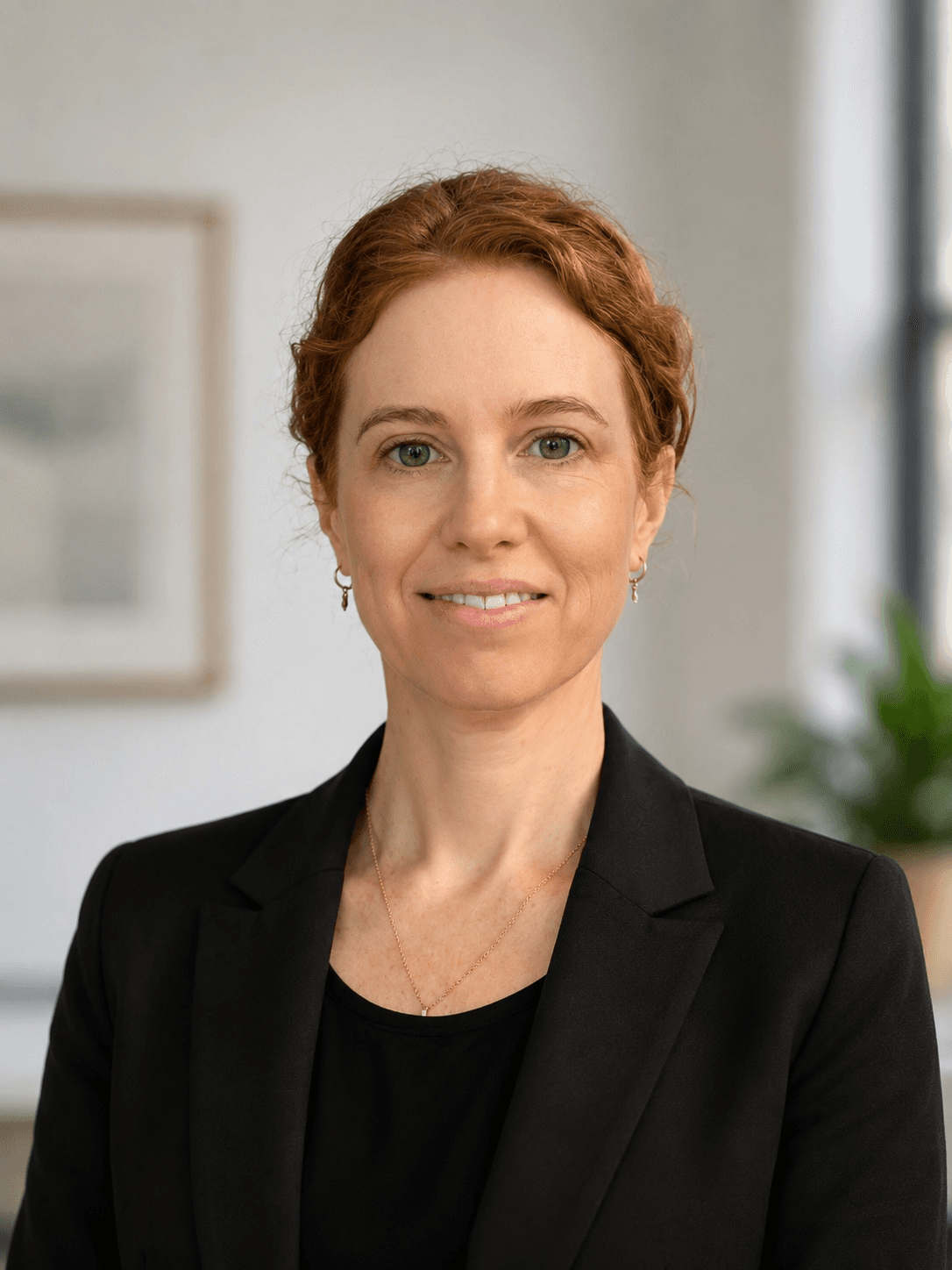
Natasha Bruce
Presenter
Natasha studied Occupational Therapy at the University of Queensland graduating in 2016. She has a background in movement teaching and therapy (Pilates and dance). Natasha began her OT career working as the first OT in the inpatient unit in Nambour, Sunshine Coast. She was part of the original team to implement a group program and provide therapy services in this setting. She has continued to work with individuals with psychosocial disability for the past nine years through both public health and private practice. She has extensive experience working with adults in the inpatient and community setting, addressing psychosocial and physical barriers to function and completing complex functional assessments. She now has a young family and has transitioned to as a sole trader in her own company, Totum Therapy, working primarily with NDIS participants. Natasha’s work is influenced by the International Classification of Functioning (ICF), attachment theory, the cognitive disability model, the Model of Human Occupation (MOHO) and Acceptance and Commitment Therapy.