Published: Wednesday 10 December 2025
OTA response to recent AFR article
Many members expressed concern about a recent Australian Financial Review article regarding NDIS therapies. OTA is working closely with Allied Health Professions Australia (AHPA) to ensure a consistent, sector-wide response to the claims raised. Our priority is to ensure government, media and the broader community understand the strong evidence base that underpins occupational therapy and the essential role occupational therapists play in supporting children’s learning, wellbeing and long-term participation.
Occupational therapy is an evidence-based profession. Under the NDIS, occupational therapists use the best available research, clinical expertise and client values to deliver effective, personalised supports. This includes practical, goal-oriented interventions such as assistive technology, environmental modification and life skills training to build independence in daily living, work and community participation, while ensuring services are effective and provide value for money.
Support needs assessments under the NDIS
Recent media reporting and evidence provided during Senate Estimates raised concerns about the future of NDIS support needs assessments, including reports that funding and planning decisions may be determined by algorithm, with limited scope for human review or amendment.
OTA welcomes confirmation during Senate Estimates that the NDIA will continue to seek information from treating allied health professionals in some circumstances. Through AHPA, the allied health sector is seeking further clarification from the NDIA about these proposed processes and their implications. OTA continues to advocate for high-quality, person-centred assessments that reflect individuals’ disability needs, goals and capacity-building requirements.
Call for input from AOPA on Prosthetics with Microprocessors
The NDIS Evidence Advisory Committee is conducting a review into the benefits, safety and cost-effectiveness of:
- Microprocessors in prosthetics
- Functional Electrical Stimulation (FES)
- Therapy suits
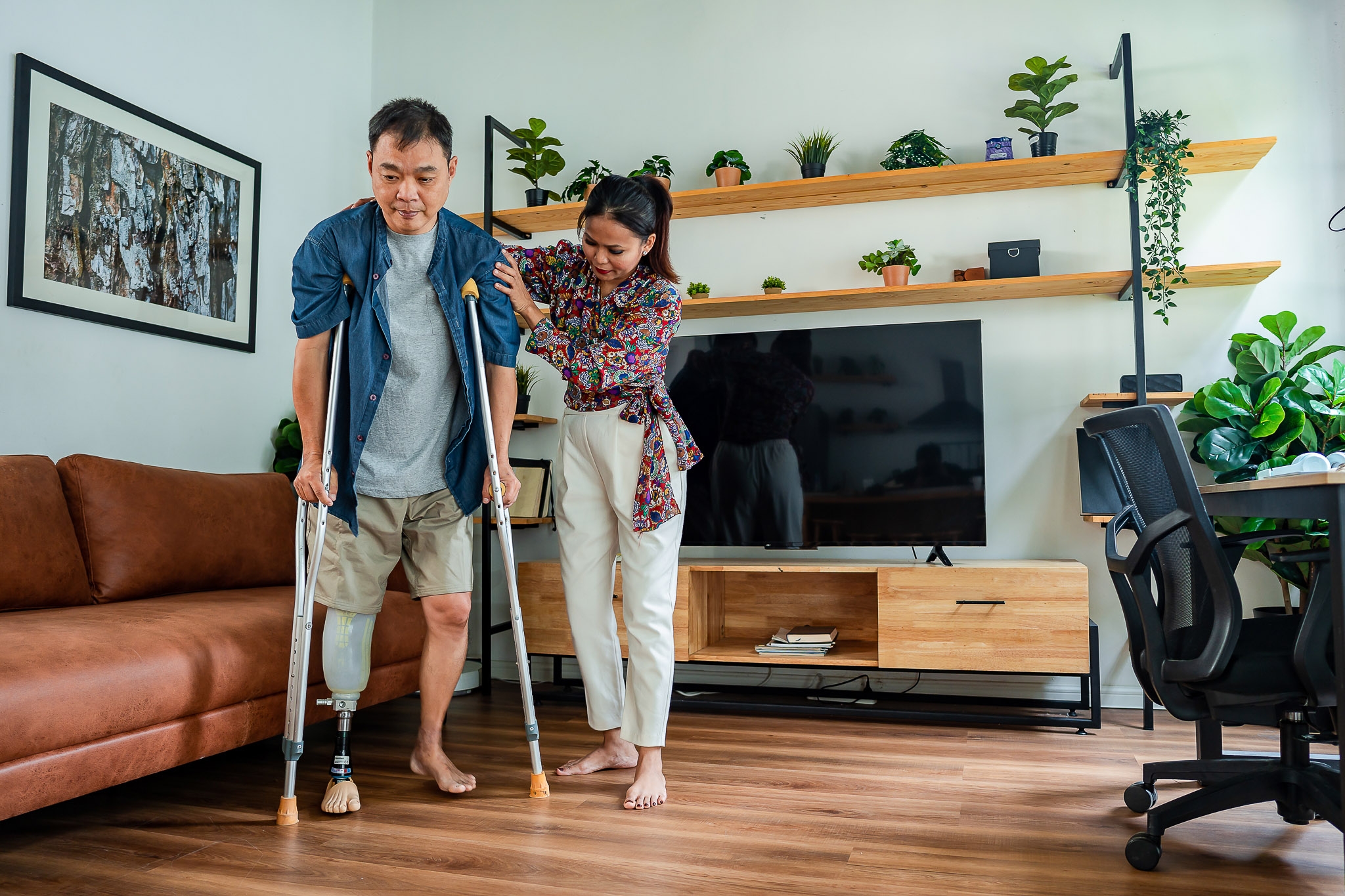
The Australian Orthotic Prosthetic Association (AOPA) is seeking input from occupational therapists who work with people with limb difference or amputation, as well as participant stories. Contributions should highlight how these assistive technologies have improved quality of life, independence and community access compared with other assistive technologies or supports.
AOPA is calling for input via this form. For more information on the public consultation and to access the online survey please click here.
Submissions close on 20 January 2026.
Changes to Better Access impacting GPs
From 1 November 2025, the Government introduced changes to the Better Access program that affect how Mental Health Treatment Plans (MHTPs) are prepared and reviewed by GPs and prescribed medical practitioners. There is no change for Mental Health Allied Health Professionals.
Key changes include:
- MHTPs must be developed and reviewed by a client’s GP at their nominated MyMedicare Practice or their usual medical practitioner
- GPs and prescribed medical practitioners can use time-tiered general attendance MBS items to reduce administrative burden
- Removal of specific GP and PMP MBS items for MHTP preparation and review
What has not changed:
- No change for clients referred by psychiatrists or paediatricians
- No change to Better Access session numbers (up to 10 sessions per calendar year)
- Mental Health Allied Health Professionals must continue to provide written reports to support reviews
Read the fact sheet on what is changing. There is also an updated Patient fact sheet on the Better Access scheme.
South Australian Transport Subsidy Scheme (SATSS)
South Australian members may be interested in the South Australian Transport Subsidy Scheme (SATSS), a state-subsidised travel program for eligible people with disability aged 16 years and over who cannot safely use public transport independently or with a companion.
Eligible participants can access up to 80 subsidised taxi trips every six months, with the subsidy applied to the first $40 of each fare. Higher-cost journeys may be eligible for up to three subsidised trips.
SATSS members are issued a member ID card scanned by participating taxi drivers. The SATSS mobile application automatically calculates the subsidy and out-of-pocket amount, with text-to-speech functionality available. Members can also register for email updates showing trip history and remaining balance, and set up real-time notifications for carers.
For more information or to apply, visit www.satss.sa.gov.au or call 1300 360 840.