Published: Thursday 28 May 2026
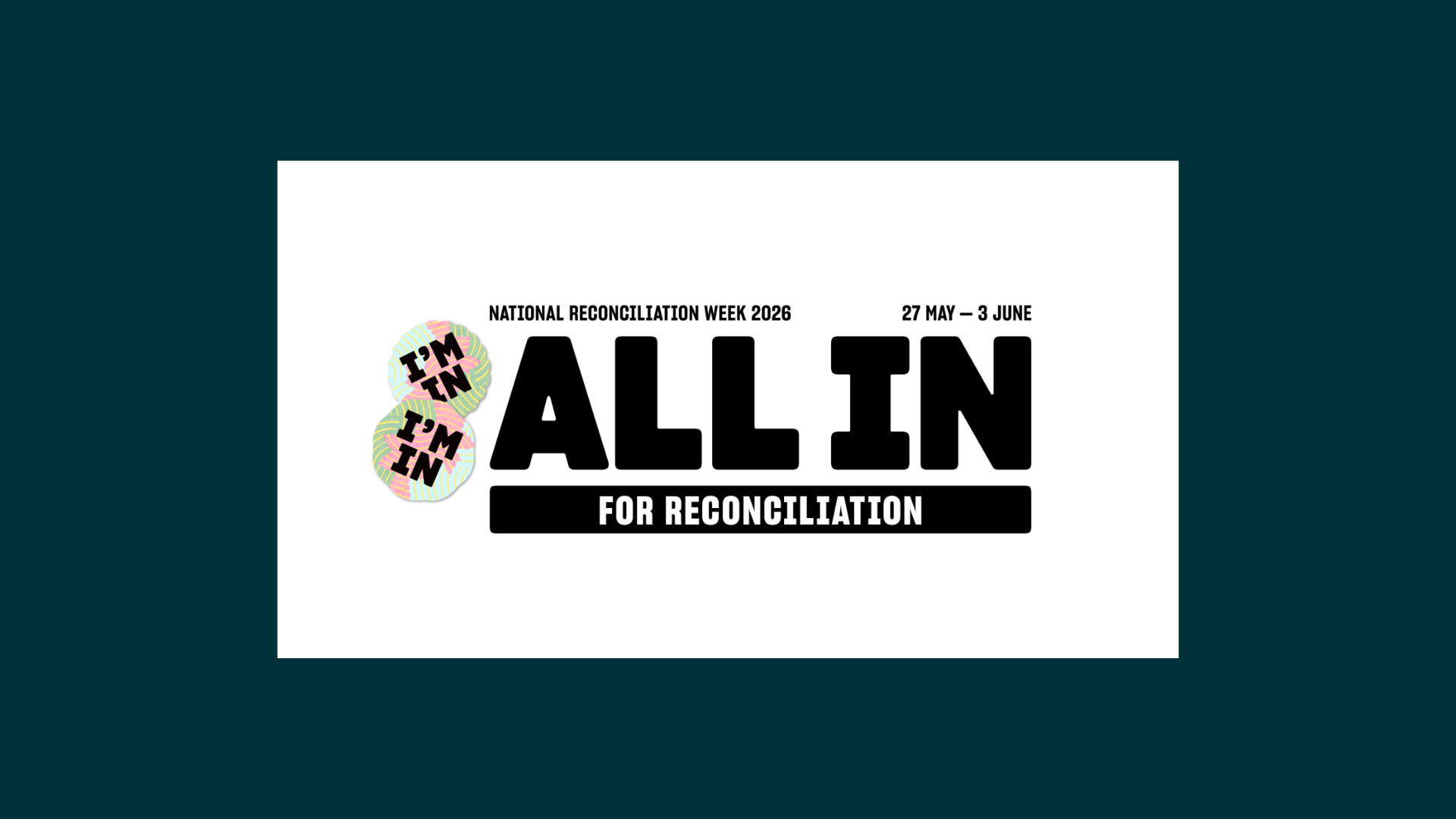
It’s National Reconciliation Week – a time for reflection, learning and action.
At Occupational Therapy Australia, reconciliation is central to our work and our commitment to culturally safe practice. We are committed to walking alongside Aboriginal and Torres Strait Islander peoples through advocacy, partnerships, cultural learning and ongoing reflection.
We recognise that occupational therapy is fundamentally about enabling participation, dignity and wellbeing, and that these outcomes are deeply shaped by the histories, cultures and lived experiences of Aboriginal and Torres Strait Islander peoples.
To mark the week, OTA staff visited Bunjilaka Aboriginal Cultural Centre at Melbourne Museum, where they explored the permanent First Peoples exhibition featuring contributions from Koorie community members across Victoria and Indigenous communities throughout Australia.
The experience sparked meaningful conversations about truth-telling, cultural understanding and the role each of us can play in reconciliation, both personally and professionally. It also encouraged reflection on how history, culture, identity and connection shape wellbeing, participation and belonging, concepts closely connected to occupational therapy practice.
Staff described the visit as “thought-provoking”, “grounding” and a valuable opportunity to reflect on how reconciliation connects to our everyday work and relationships.
- Visit the Museums Victoria website to find out more.
This year’s theme: All In
The theme for National Reconciliation Week 2026 is All In. It’s a call for all Australians to commit fully to reconciliation every day, not only during this week.
It reminds us that reconciliation is shared responsibility and collective action, and that all Australians have a role to play. It also highlights that the work of reconciliation and advancing Aboriginal and Torres Strait Islander peoples’ rights should not rest solely with First Nations peoples, who have long carried this responsibility.
At our core, we believe occupational therapists make a meaningful difference in the lives of the individuals and communities they serve, including Aboriginal and Torres Strait Islander peoples living and thriving in communities across these lands.
We know we cannot do our best work without understanding, valuing and celebrating the rich cultures, histories and knowledge of Aboriginal and Torres Strait Islander peoples. As the peak body for occupational therapy, we are privileged to create opportunities for our team and members to engage in shared learning that deepens understanding, respect and acknowledgement.
- Read more on the Reconciliation Australia website.
Across the country, workplaces, schools and community groups are hosting events and activities throughout National Reconciliation Week.
- Explore events taking place in your local area in the National Reconciliation Week Events Calendar 2026.
Reconciliation at OT Exchange Brisbane
We are committed to increasing understanding, appreciation and recognition of Aboriginal and Torres Strait Islander cultures, histories, knowledge and rights through cultural learning. One of the ways we are bringing this commitment to life is through a dedicated reconciliation space for delegates at OT Exchange Brisbane on 23–24 June to connect, reflect and engage in conversation throughout the event.
Located in the exhibition foyer, the space will feature natural textures and sensory elements inspired by our commissioned artwork Gaka Yapameyepuka (“Come Together”).
The space will also encourage informal yarning and conversations about allyship and reconciliation between Board members, speakers and attendees, with presenters invited to continue conversations following their sessions.
We are also bringing back the yarn bombing activity first introduced at OTX 2022. This year, delegates will contribute to a collaborative kangaroo installation using colourful wool and yarn across the two-day event.
- Read more about our Artwork “Gaka Yapameyepuka” and meet the artists – proud Yorta Yorta brother and sister Luke and Siena Tieri.
Building cultural capability
We are supporting OTA members to strengthen cultural capability through a new 3-part learning journey designed to support progression from cultural awareness to cultural competence and cultural safety.
Developed in partnership with the Centre for Cultural Competence Australia (CCCA), the series explores practical, reflective and trauma-informed approaches to working alongside Aboriginal and Torres Strait Islander peoples, communities and colleagues.
The online courses can be completed flexibly at a time and pace that suits members. A discounted rate and certificate of attendance are available.
Find out more and register via the following links:
- Understanding Aboriginal and Torres Strait Islander Cultures
- Delivering Stronger Aboriginal and Torres Strait Islander Outcomes
- Embedding Cultural Safety: Trauma-Informed Leadership and Practice
Innovate Reconciliation Action Plan
Occupational Therapy Australia envisions a world where reconciliation with Aboriginal and Torres Strait Islander peoples is not just an aspiration, but a reality woven into everyday life, and where the contribution of Aboriginal and Torres Strait Islander peoples’ knowing, being and doing is recognised and celebrated across occupational therapy.
Through education, advocacy and community engagement, OTA strives to embed reconciliation into the everyday practice of occupational therapists and across our organisation.
- Download our Innovate Reconciliation Action Plan (June 2025–May 2027)
Occupational Therapy Australia acknowledges and pays respect to the past, present and future Traditional Custodians and Elders of this nation and recognises the continuation of cultural, spiritual and educational practices of Aboriginal and Torres Strait Islander peoples.
Related Tags